
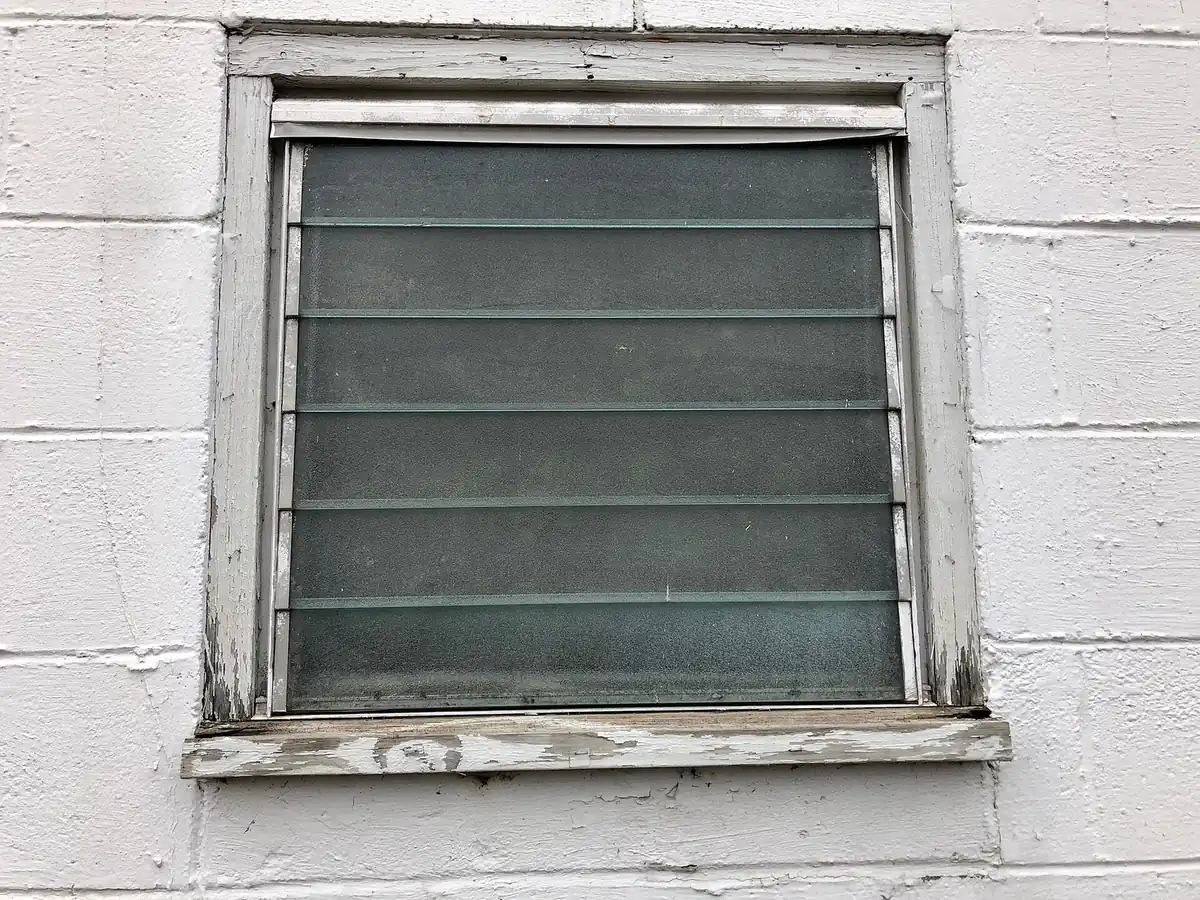
Jalousie Window Repair
Stuck cranks, loose clips and cracked louvers on the glass windows older Oahu houses still run on.
More on Jalousie Window Repair →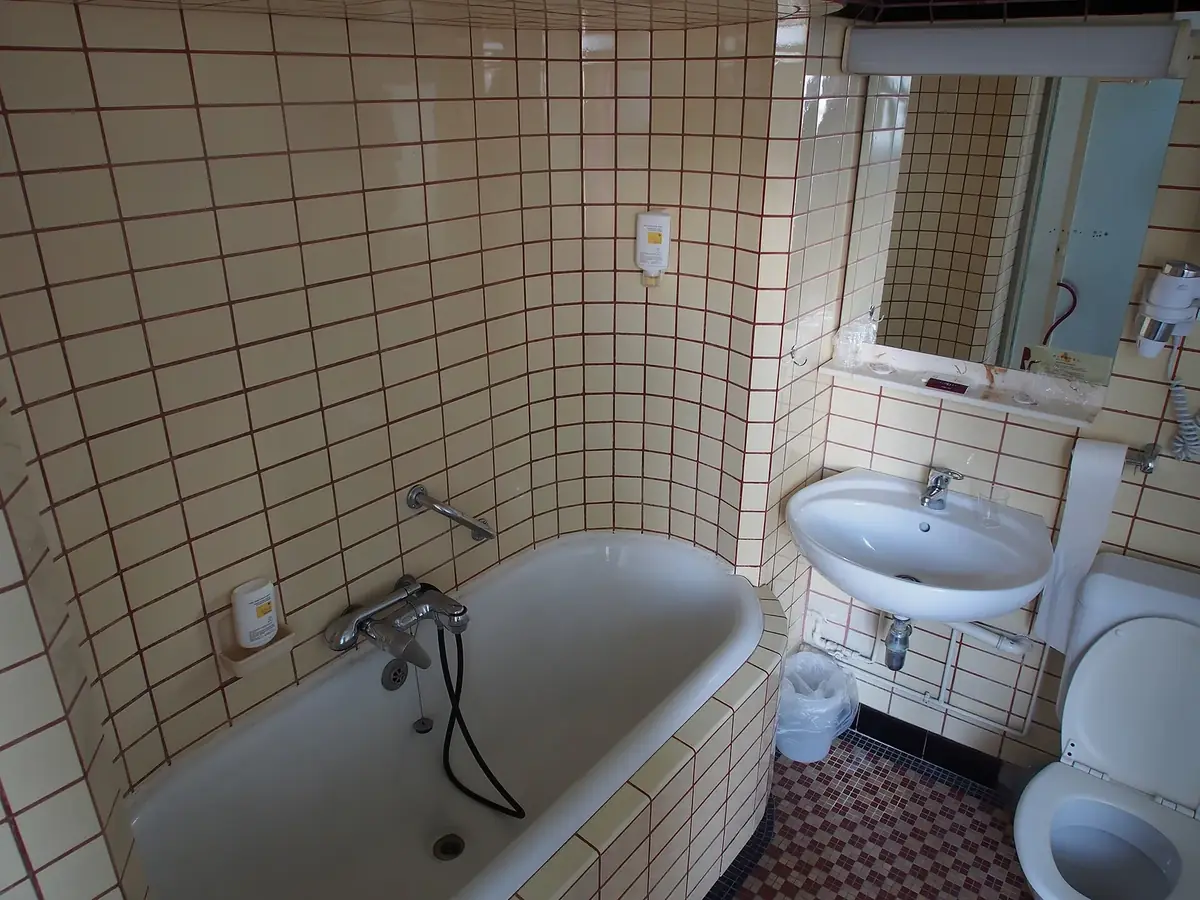
Cracked, peeling or mildewed caulk around the tub, shower, sink and backsplash, plus window, trim and exterior joints. The old bead comes out completely and a bathroom-rated sealant goes in, for houses and condos across Oahu.
The old caulk has to come out completely because new caulk laid over old bonds weakly, then cracks and leaks. So every scrap of the old bead is cut and scraped away. The joint gets wiped with rubbing alcohol and left to dry. Wide or deep gaps get foam backer rod before any sealant goes near them, and the tub is filled with water so the fresh bead cures with the tub already sitting at its heaviest.
Send close photos of the tub, shower or window joints, and say whether the bead is cracked, lifting, or stained dark.
The failed caulk is sliced and scraped off down to bare surface, then the joint is cleaned with alcohol and allowed to dry.
The tub is filled with water, backer rod goes into deep gaps, and tape is run along both edges of each joint.
The bead is laid and tooled, the tape is pulled before it skins, and the shower is left alone for a full day.
| What matters | 100% silicone | Acrylic latex |
|---|---|---|
| Movement | Stays flexible and keeps moving with the tub | Tears free at a joint that moves a lot |
| Water | Sheds it | Fine at dry interior joints |
| Cleanup | Mineral spirits or another solvent | Water |
| Best place | Tub, shower and sink joints | Painted trim and drywall seams |
| The hybrid | Siliconized acrylic is latex with silicone added | It sits between the two, a middle option for mixed joints |
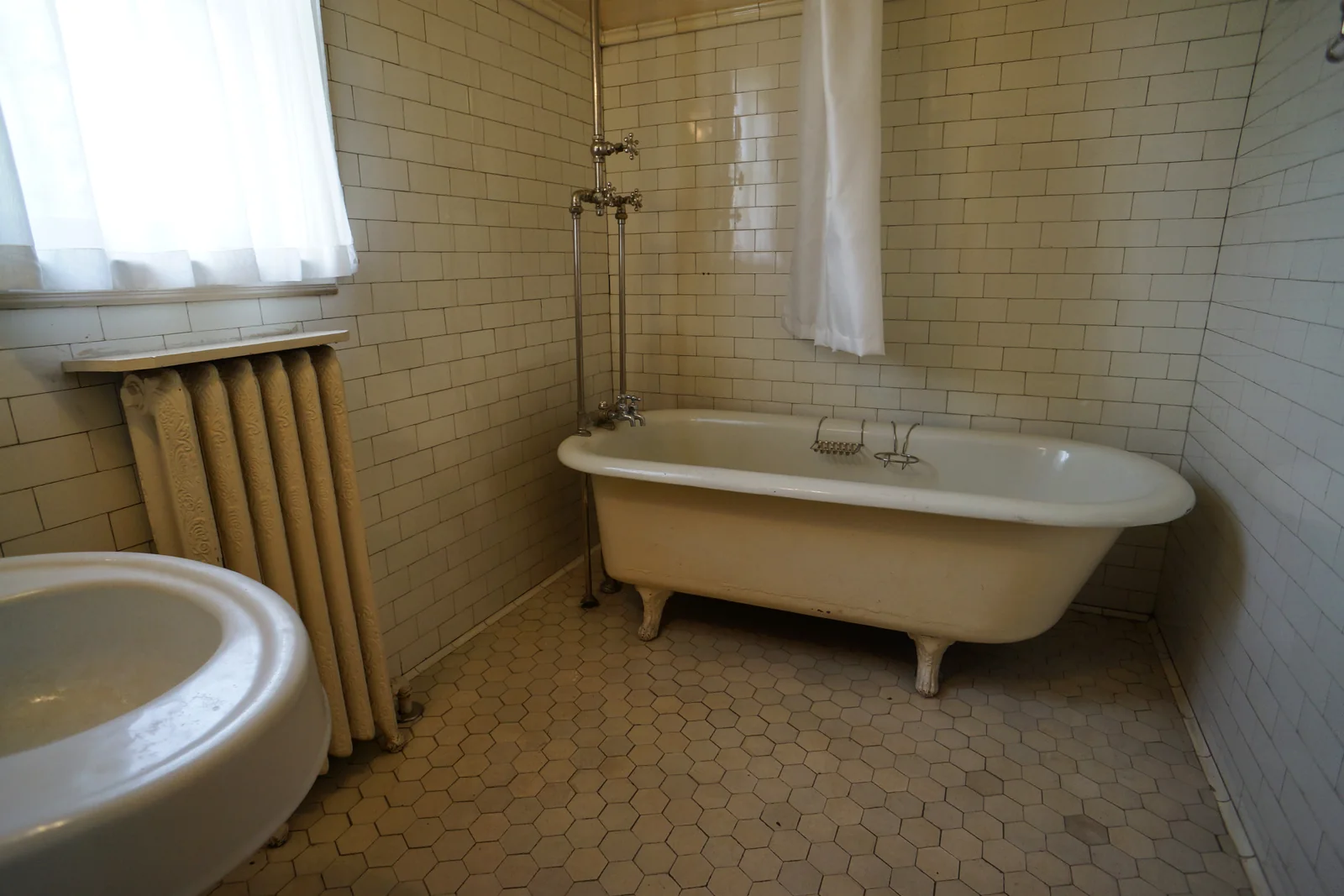
Bathtub caulking fails in Honolulu bathrooms for the same reasons it fails anywhere, poor surface prep and the wrong product, made worse by air that rarely dries out. Lowland humidity sits around 60 to 70 percent on the leeward side and 70 to 80 percent on the windward side, so a bathroom joint stays damp between showers far longer than it would in a drier climate. A tub also moves. Filled, it is heavier and pulls away from the wall, which stretches a bead laid on an empty tub and tears plain latex loose. Caulk is a maintenance item, not a lifetime seal, and it fails sooner when the joint was never cleaned and dried.
Sources: University of Alaska Fairbanks Extension; This Old House; Western Regional Climate Center, Climate of Hawaii
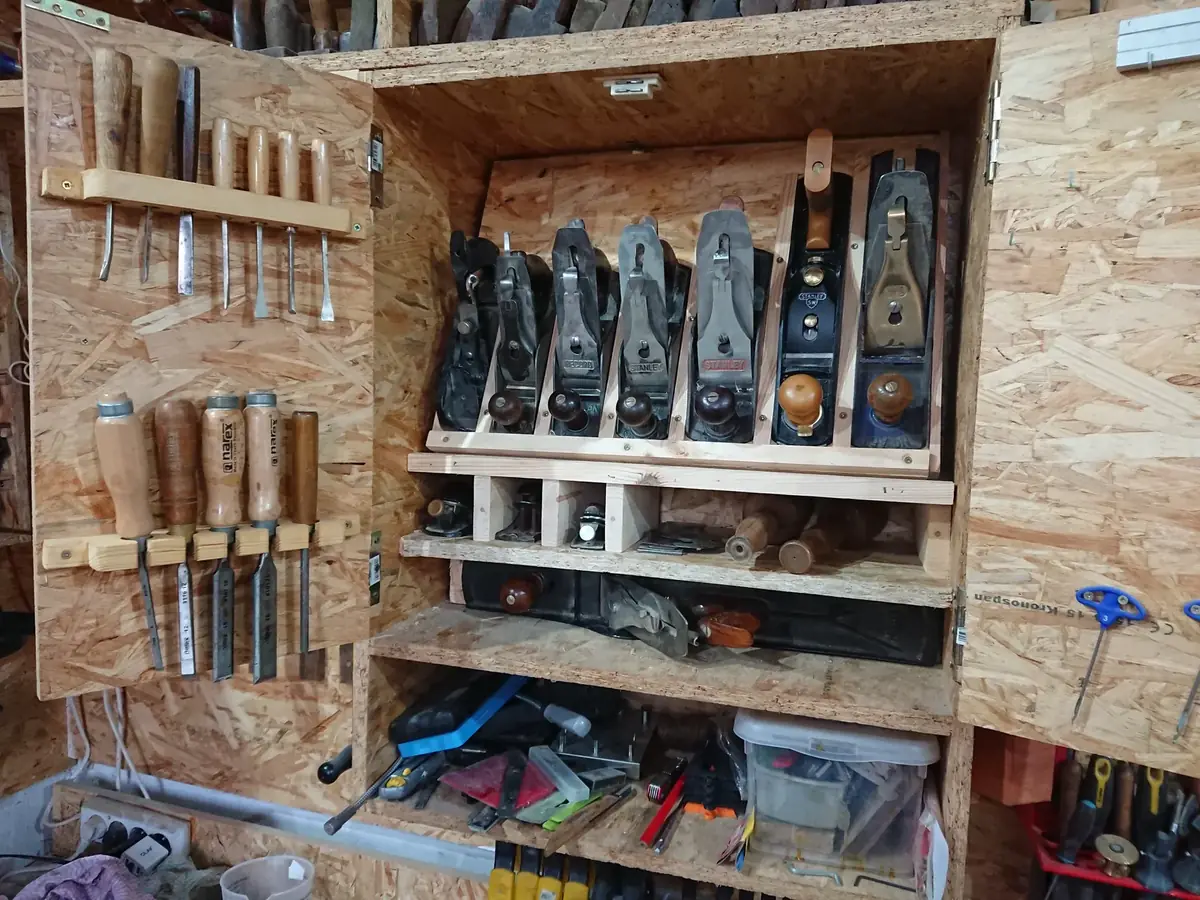
One visit can cover several items. These six are the ones Honolulu homes ask about most; the full list sits further down the homepage.
Stuck cranks, loose clips and cracked louvers on the glass windows older Oahu houses still run on.
More on Jalousie Window Repair →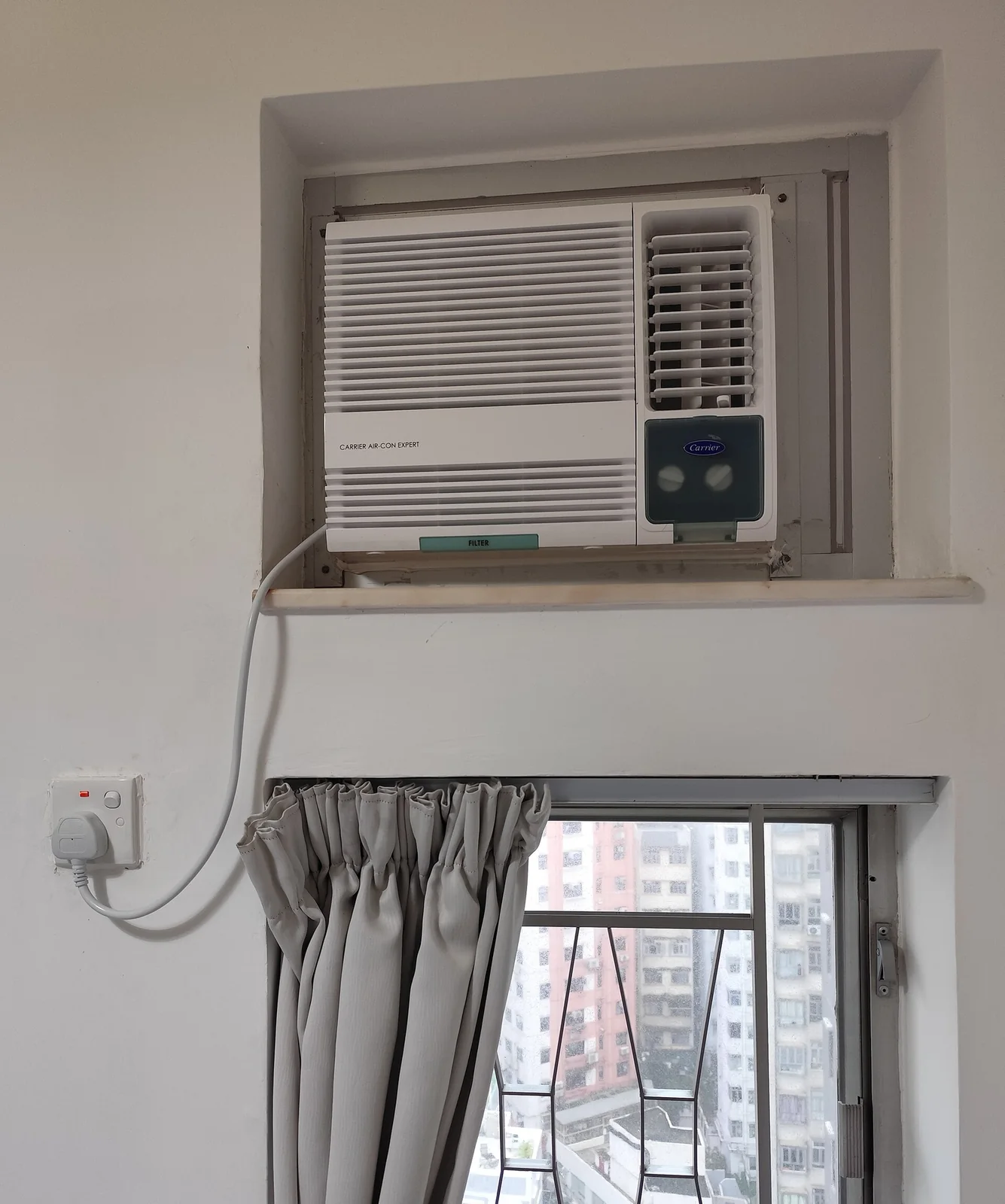
A window unit set on a proper bracket, sealed at the sides, and draining away from the wall.
More on Window AC Installation →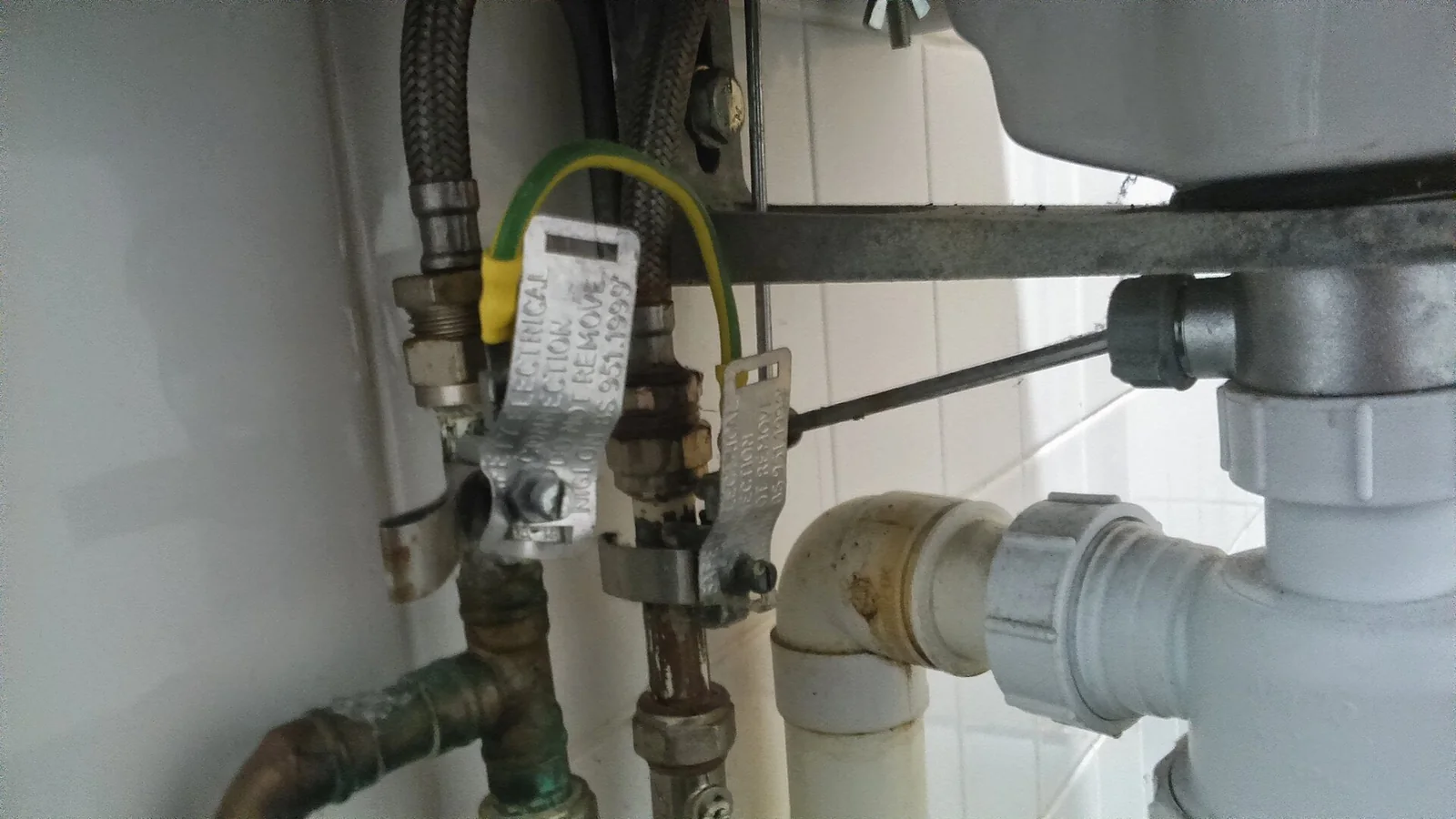
Jammed, humming or leaking disposals cleared, reset or swapped for a new unit under the sink.
More on Garbage Disposals →
Holes, cracks, nail pops and water-stained patches cut out, taped, mudded and blended.
More on Drywall Repair →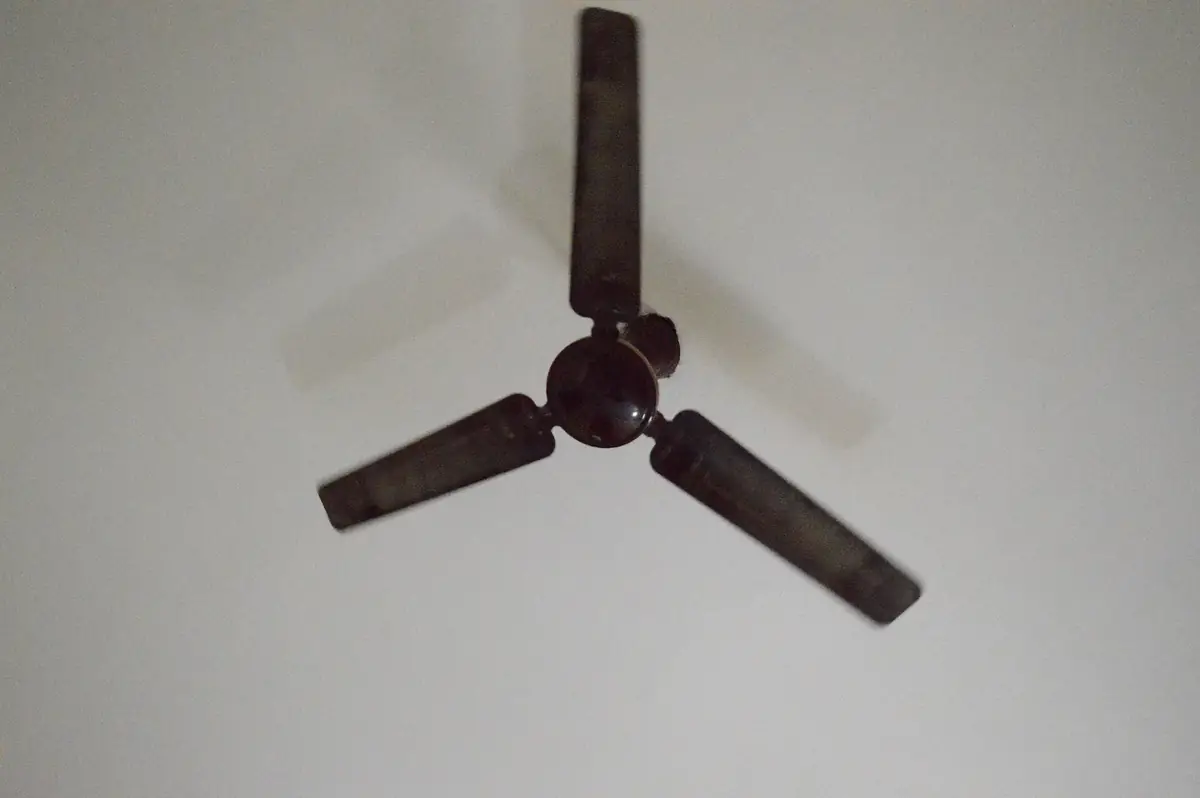
A fan hung on a box rated to carry it, balanced so it stops wobbling at full speed.
More on Ceiling Fan Installation →
A screen mounted into studs or the right concrete anchor, with the cables kept tidy.
More on TV Mounting →