
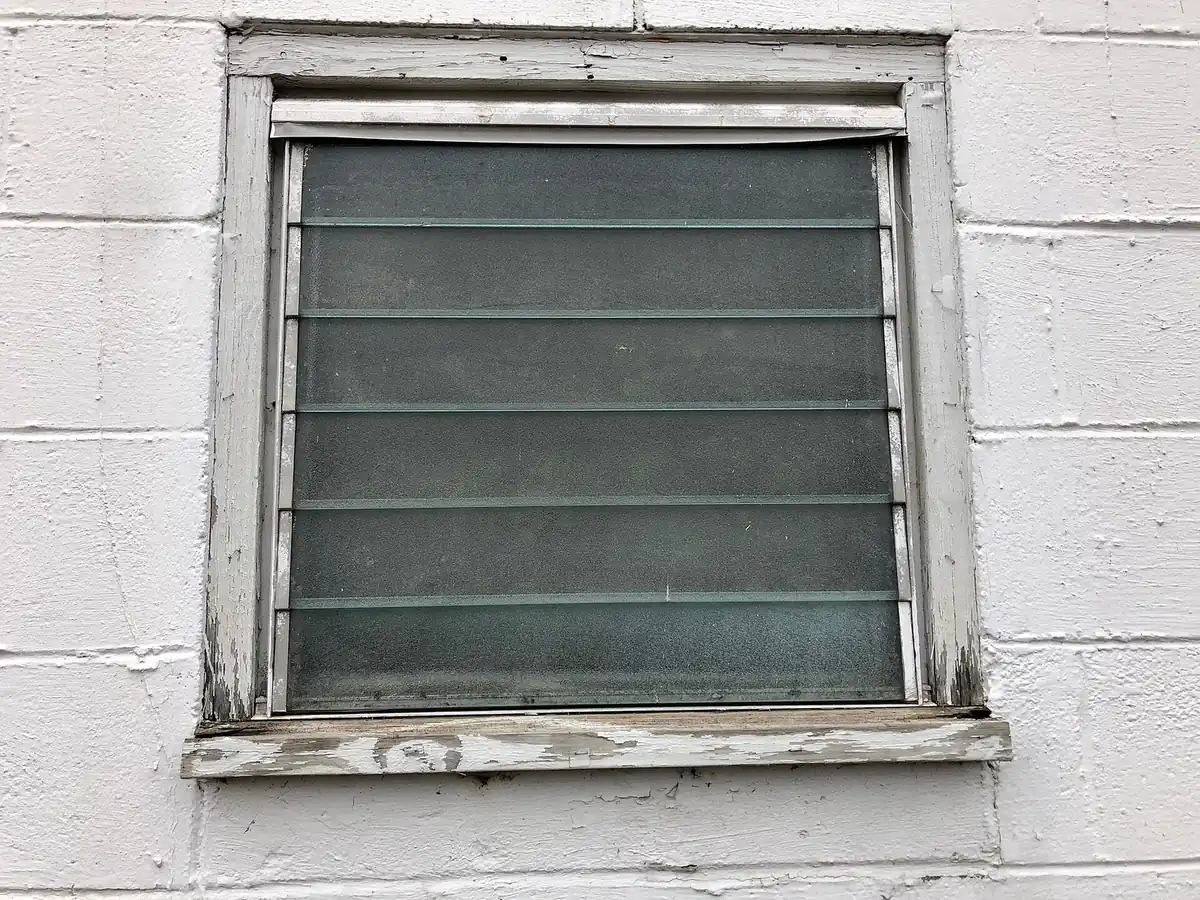
Jalousie Window Repair
Stuck cranks, loose clips and cracked louvers on the glass windows older Oahu houses still run on.
More on Jalousie Window Repair →Cranks that spin without moving the glass, clips that let a louver rattle, cracked or missing slats. We repair the jalousie windows that older Oahu houses and walk-ups still run on, from Kaimuki and Manoa out to Kailua and Ewa Beach.
Because most jalousie trouble sits in the hardware, and the hardware is still sold: a worn operator, a loose clip or one cracked louver can be fixed while the frame stays put. Jalousies are no longer widely made, so people assume the whole window has to go. It rarely does. Swapping the whole unit is a different trade, and in a house built before 1978 a window replacement counts as a covered renovation under the federal lead rule, however small the window.
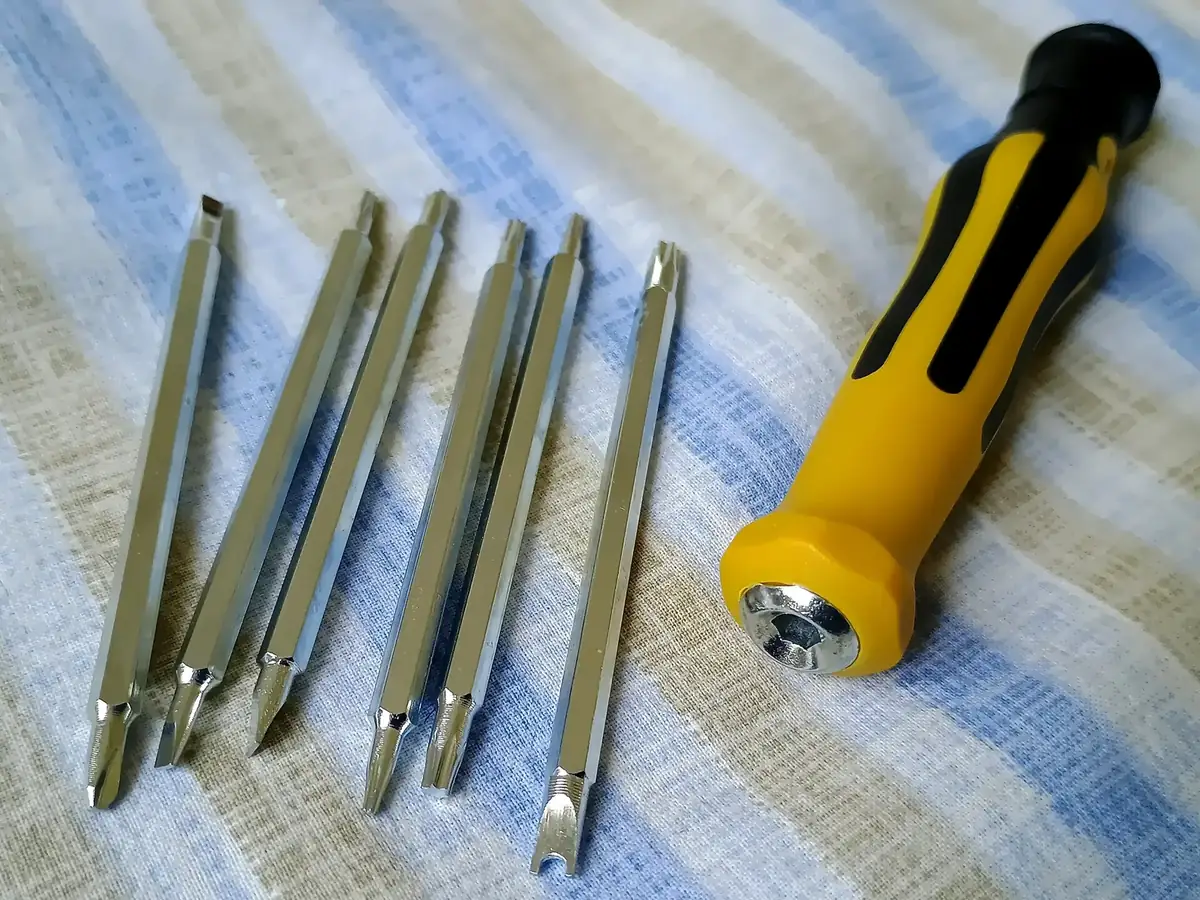
A failing jalousie usually shows itself at the crank or at a single slat: the handle spins or sticks, or one louver sits crooked while the rest close. Six faults cover most of it.
The handle turns but the louvers stay put, which points to stripped gears inside the operator gearbox.
A seized operator, usually corrosion and dry pivots. Cleaning and silicone lubricant come first; replacement is the fallback.
The glass has worked loose in its end clip, often because a tiny setscrew or wedge has backed out.
Louver glass is thicker than pane glass and has polished edges, so a new one is ordered to match the old piece.
A bent stay bar or a sprung clip leaves slats out of line, letting in even more wind-driven rain than the design does.
Salt and grit wear the gearbox; a University of Hawaii study found the heaviest airborne salt on the windward and leeward coasts.
Text or email a photo of each problem window, the crank and any cracked louver, and say how many windows need work.
We measure louver length and glass, try every operator, and put the parts and labor in a written quote before ordering anything.
Louver glass and operators are ordered to size, so the repair visit is booked once the matched parts are in hand.
Cracked glass out, new louver seated, wedges and setscrews back, operator freed or swapped, then every window cranked open and shut.
Jalousie windows spread through island housing in the late 1940s and 1950s, Waikiki walk-up apartments included, according to Historic Hawaii Foundation, and a lot of those buildings are still standing. Census figures put 67.8 percent of the homes in the City and County of Honolulu in the 1940 to 1989 build years, and in Kailua 60 percent of units predate 1970. The windows also fit how the island keeps cool. In the EIA's 2020 housing survey only 12 percent of Hawaii homes used central air conditioning, so open louvers and the trade winds carry the load. Some old Honolulu buildings even traded their original double-hung sash for glass jalousies over the years.
| What matters | Repair the jalousie | Replace the window |
|---|---|---|
| What changes | An operator, clips, wedges or single louvers | The whole unit, often with the trim around it |
| Air and rain | Slats close evenly again, but louvers never seal fully | Depends on the window chosen; a closed sash shuts tighter |
| Security | Slats can still be slid out from outside | Removes the slide-out louver weakness |
| Lead rule, pre-1978 house | Small hardware work, judged against the minor-repair limits | Always a covered renovation, whatever the window size |
| Look of the house | Original windows stay | Historic-home guidance favors keeping the original style |
| Who does it | A handyman, in one visit | A window installer, not us |
One visit can cover several items. These six are the ones Honolulu homes ask about most; the full list sits further down the homepage.
Stuck cranks, loose clips and cracked louvers on the glass windows older Oahu houses still run on.
More on Jalousie Window Repair →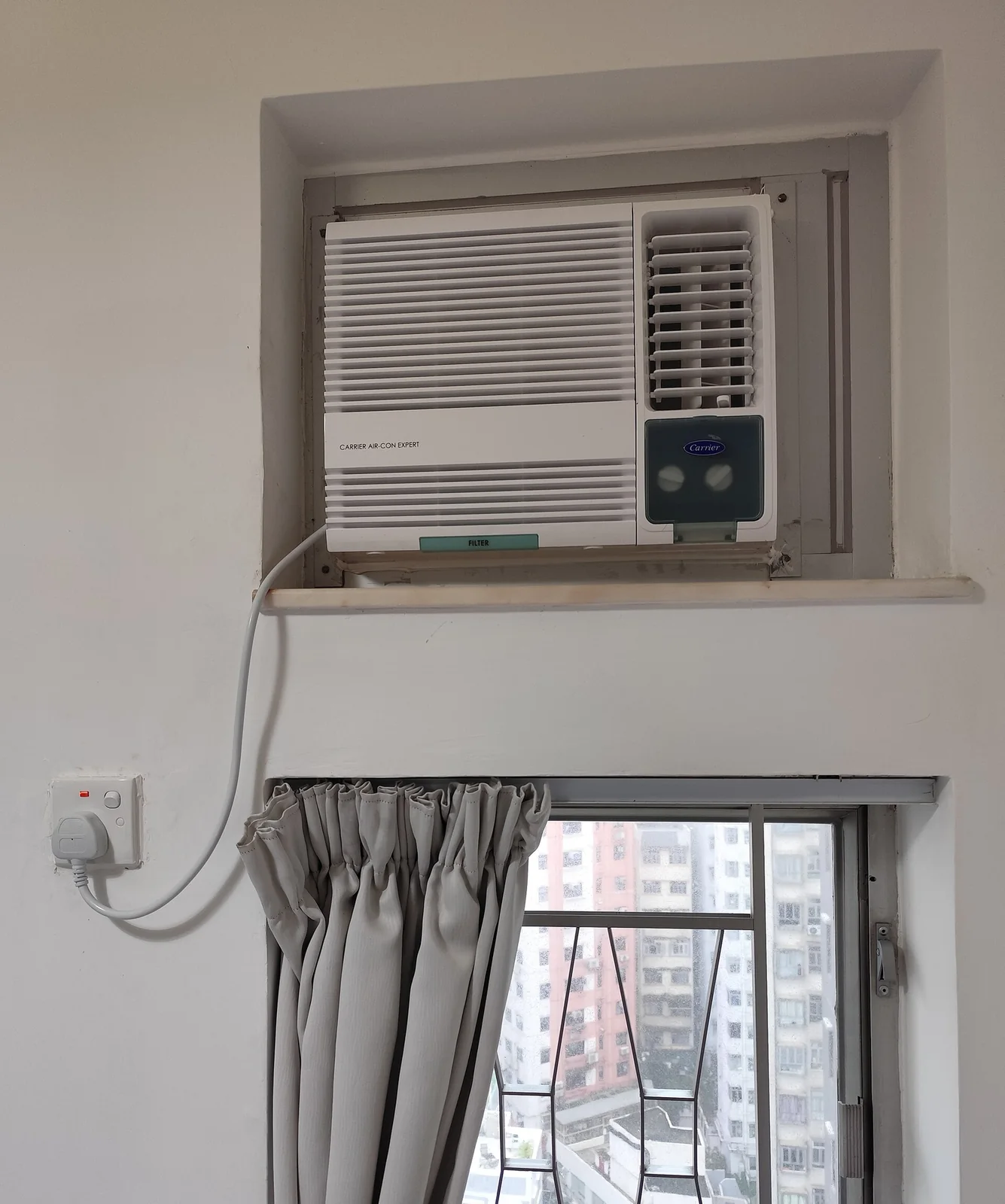
A window unit set on a proper bracket, sealed at the sides, and draining away from the wall.
More on Window AC Installation →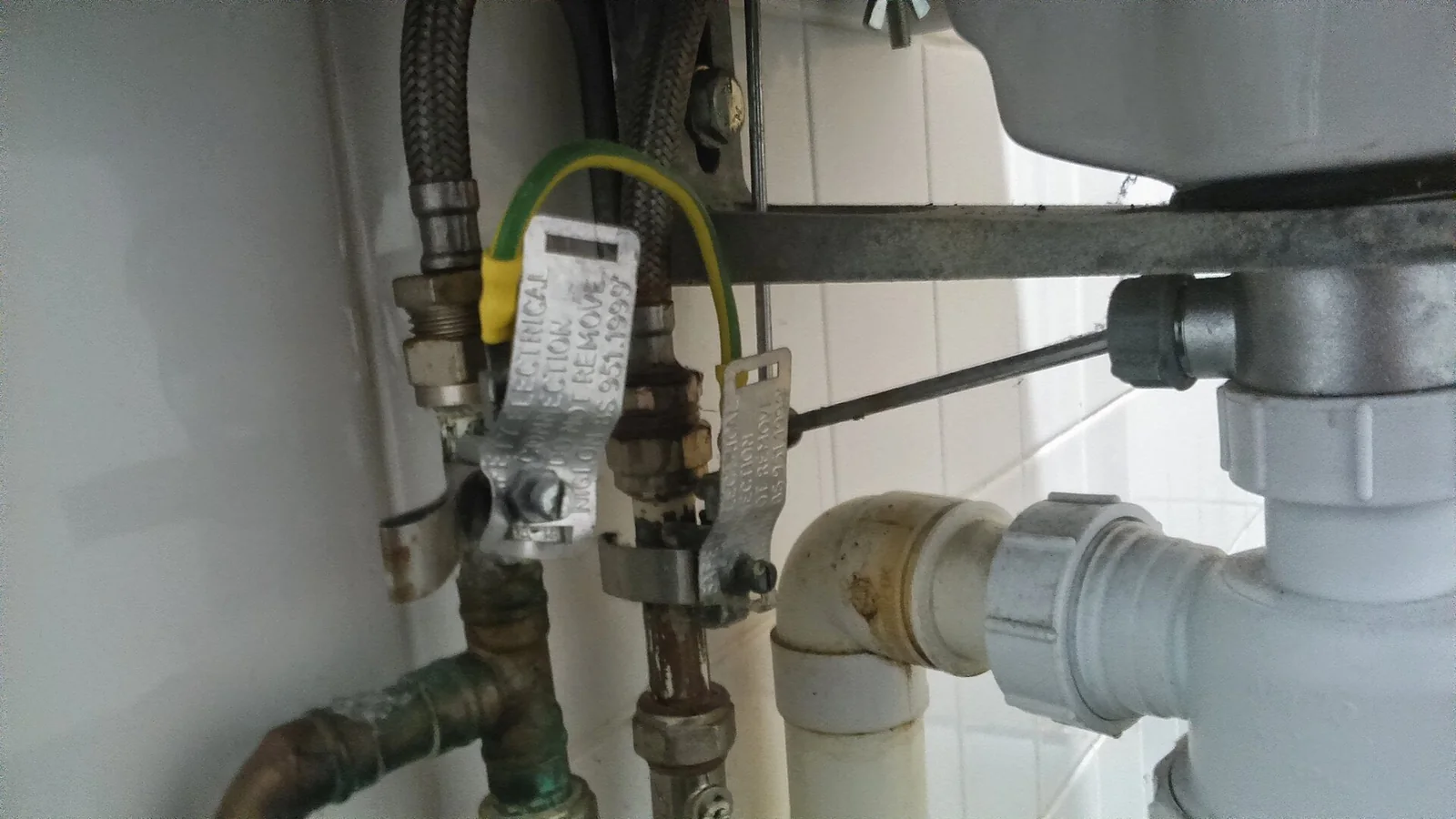
Jammed, humming or leaking disposals cleared, reset or swapped for a new unit under the sink.
More on Garbage Disposals →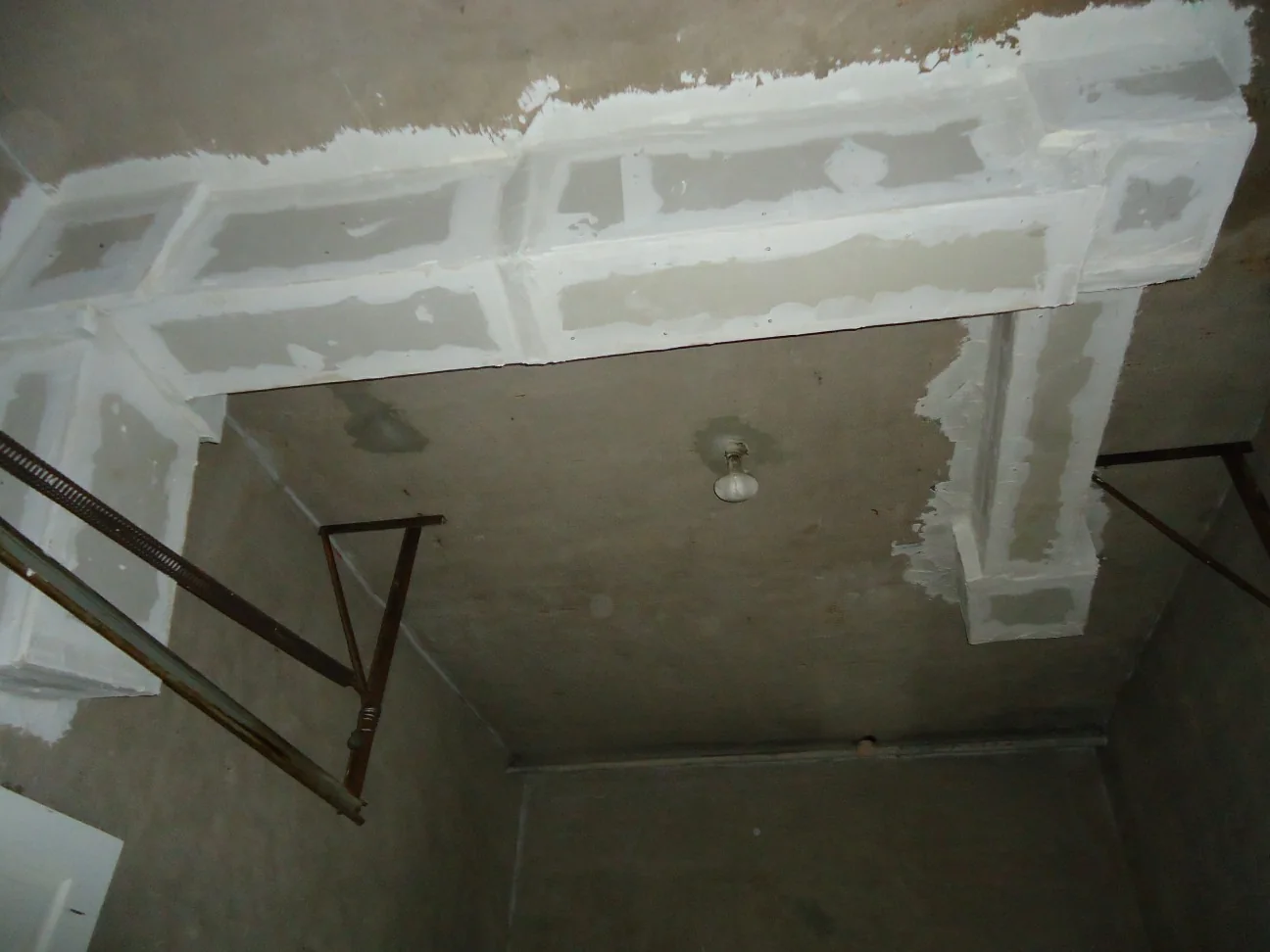
Holes, cracks, nail pops and water-stained patches cut out, taped, mudded and blended.
More on Drywall Repair →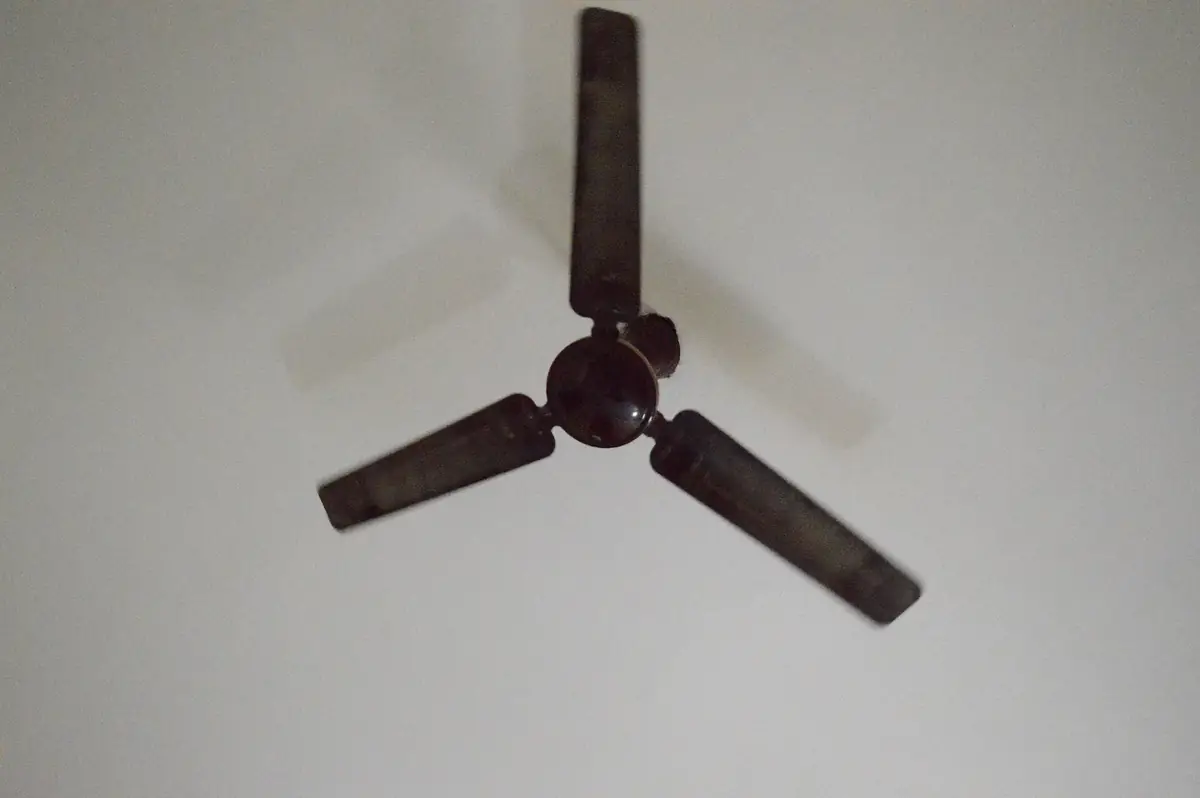
A fan hung on a box rated to carry it, balanced so it stops wobbling at full speed.
More on Ceiling Fan Installation →
A screen mounted into studs or the right concrete anchor, with the cables kept tidy.
More on TV Mounting →