
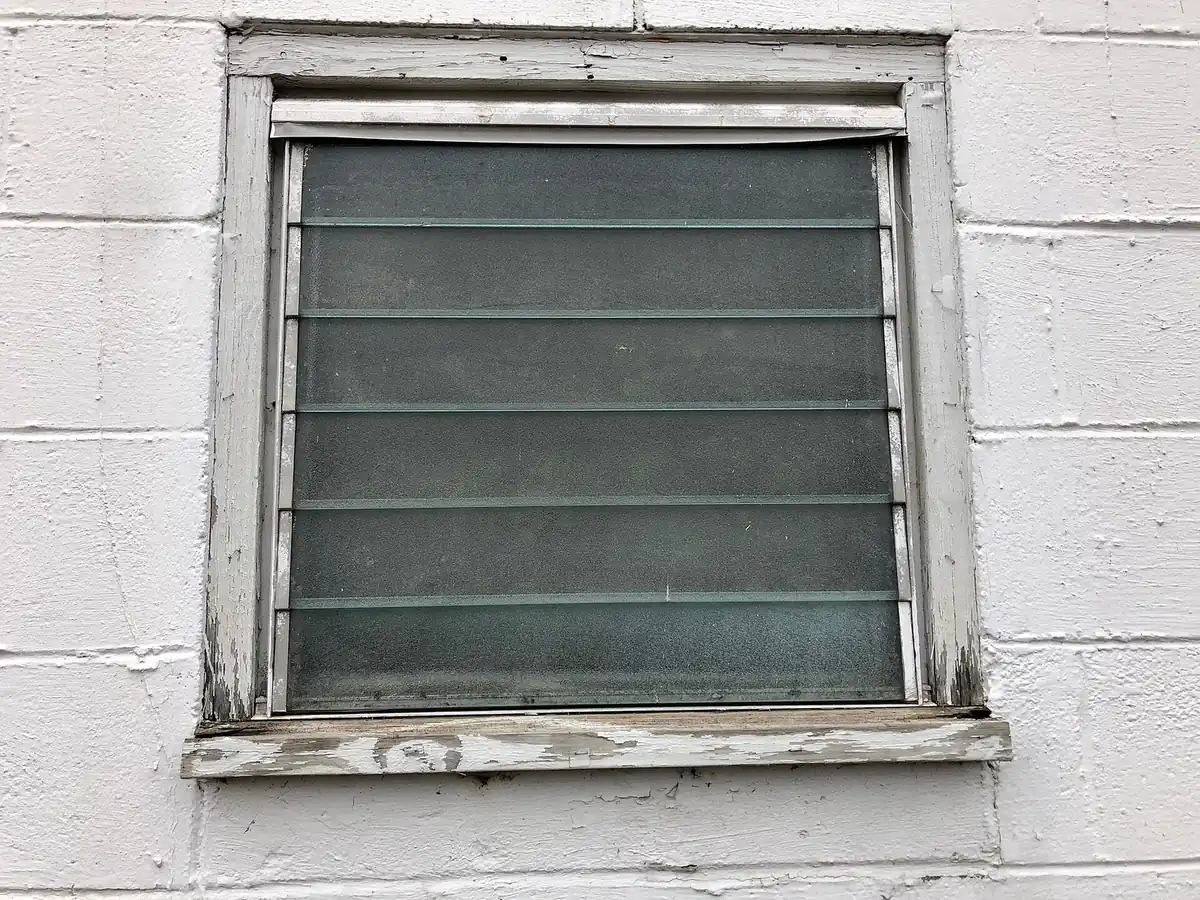
Jalousie Window Repair
Stuck cranks, loose clips and cracked louvers on the glass windows older Oahu houses still run on.
More on Jalousie Window Repair →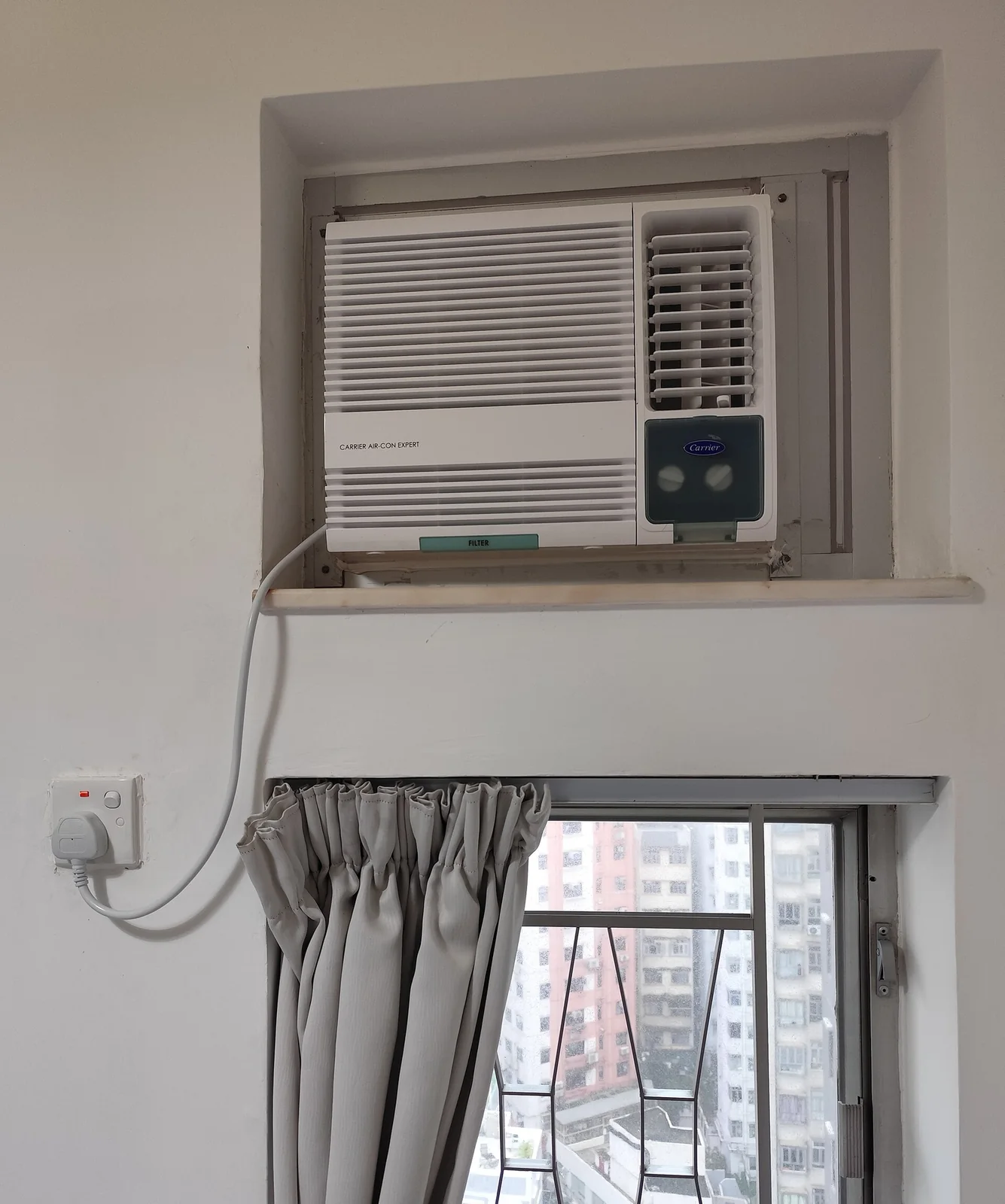
Window and portable AC units sized to the room, supported under the cabinet, sealed at the sides and draining outside, clear of the wall. Bedrooms, offices and condo units across Honolulu and the rest of Oahu.
A window unit that rattles, sweats onto the sill or lets warm air in around the sides was set in a hurry. We spend the time on the parts the box leaves to you: support under the cabinet, side panels pulled tight, foam in every gap, and a drain path that sends water outside. We plug into an outlet that already exists. A new outlet, a dedicated circuit or panel work is a job for an electrician, and mini-splits belong to an HVAC company.
Send the room size, which way it faces, and a photo of the window. We check the opening against the unit before you buy.
A written price per unit, with any support, foam or panel material named, so nothing new turns up on install day.
Unit lifted in, supported under the cabinet, set level or to the maker's tilt, side panels pulled out and fixed to the frame.
Gaps foamed, sash secured, unit run until it drips, and the water watched leaving outside, clear of the wall below.
A room needs a window AC sized to its floor area, not the biggest unit on the shelf. ENERGY STAR's chart assumes an 8 foot ceiling and runs from 5,000 BTU per hour for 100 to 150 sq ft, through 9,000 for 350 to 400, up to 12,000 for 450 to 550. Add 4,000 BTU if the unit cools a kitchen. Bigger is not better. A unit matched to the room is the most comfortable and the most efficient, which counts when every kilowatt-hour comes at island prices.
So many Honolulu homes cool with window units because few were built with central air. The EIA's 2020 residential energy survey counted 12 percent of Hawaii homes on central AC, against 67 percent nationally, while 48 percent used individual units such as window, wall and mini-split types. Trade winds and open jalousies still carry a lot of the load. Then the muggy stretches arrive: lowland humidity runs about 70 to 80 percent on windward sides, and Honolulu's airport logs an average 31.6 days a year at 90 F or above. Power stays expensive, with Hawaii's average home rate at 48.00 cents per kWh in July 2026 by EIA figures, so a leaky seal costs real money.



One visit can cover several items. These six are the ones Honolulu homes ask about most; the full list sits further down the homepage.
Stuck cranks, loose clips and cracked louvers on the glass windows older Oahu houses still run on.
More on Jalousie Window Repair →A window unit set on a proper bracket, sealed at the sides, and draining away from the wall.
More on Window AC Installation →
Jammed, humming or leaking disposals cleared, reset or swapped for a new unit under the sink.
More on Garbage Disposals →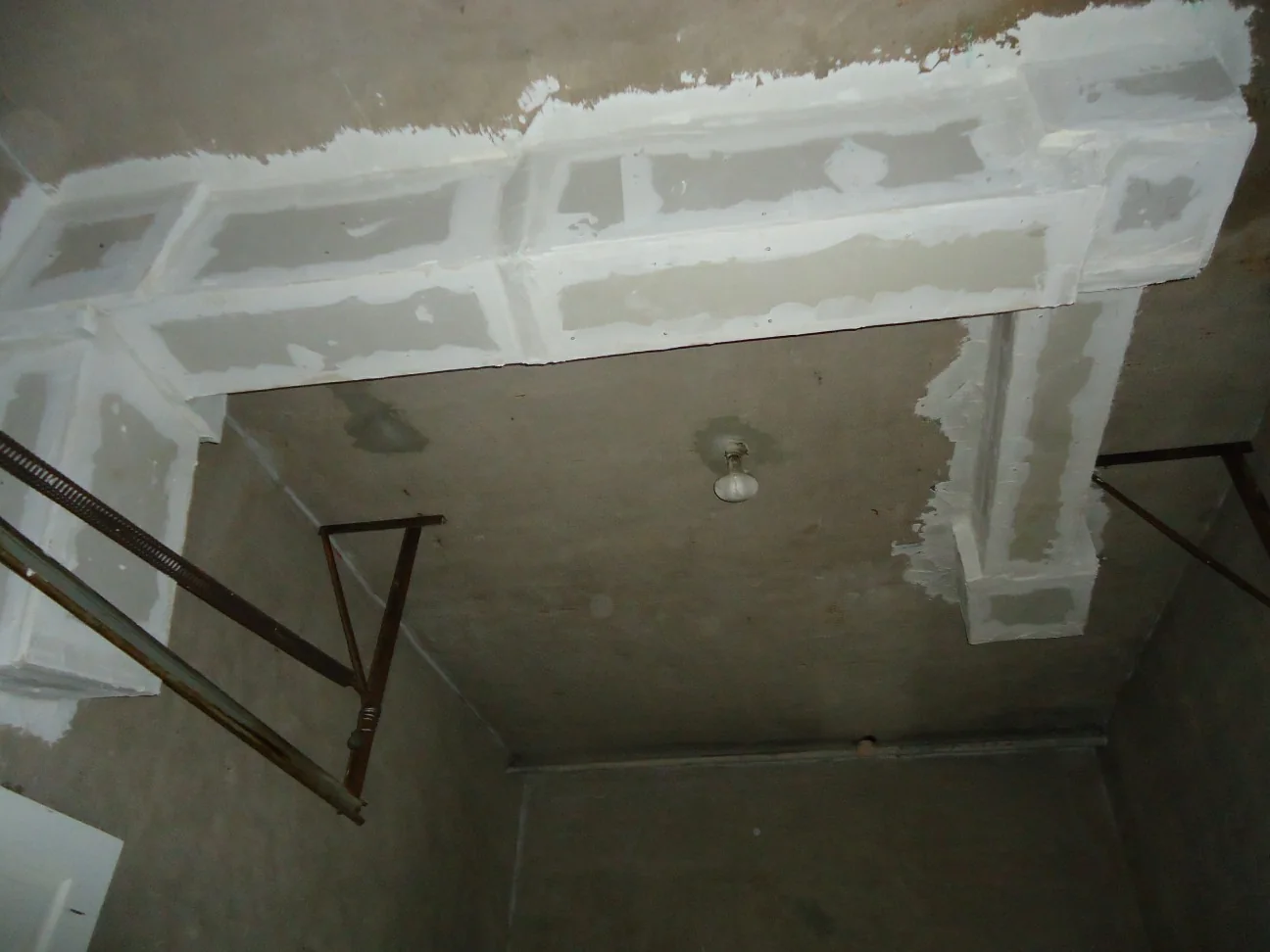
Holes, cracks, nail pops and water-stained patches cut out, taped, mudded and blended.
More on Drywall Repair →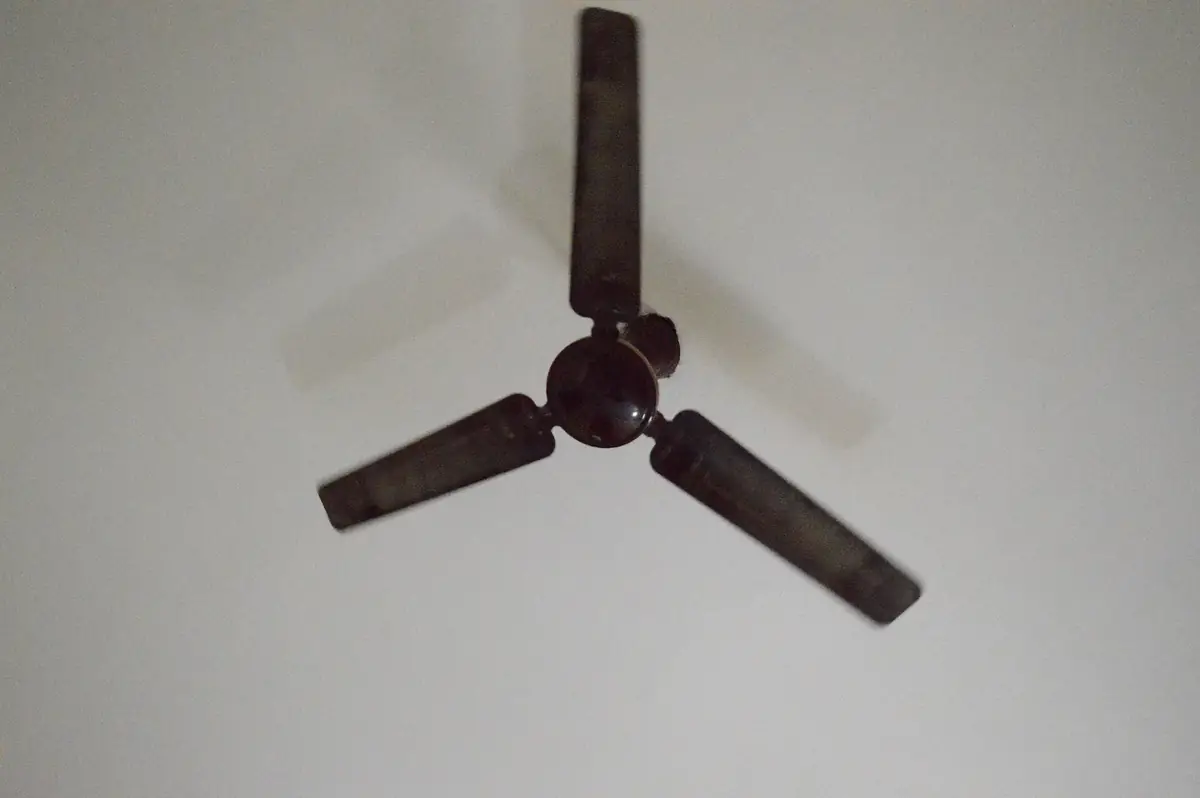
A fan hung on a box rated to carry it, balanced so it stops wobbling at full speed.
More on Ceiling Fan Installation →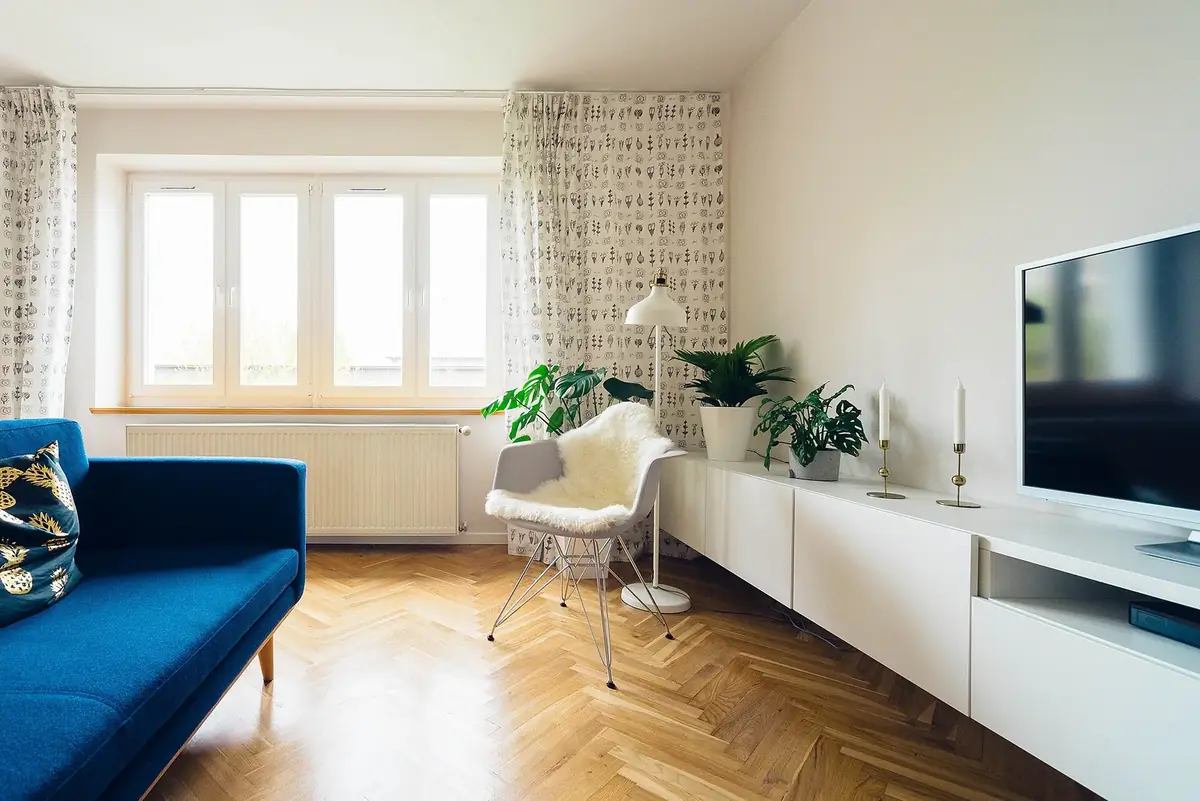
A screen mounted into studs or the right concrete anchor, with the cables kept tidy.
More on TV Mounting →