
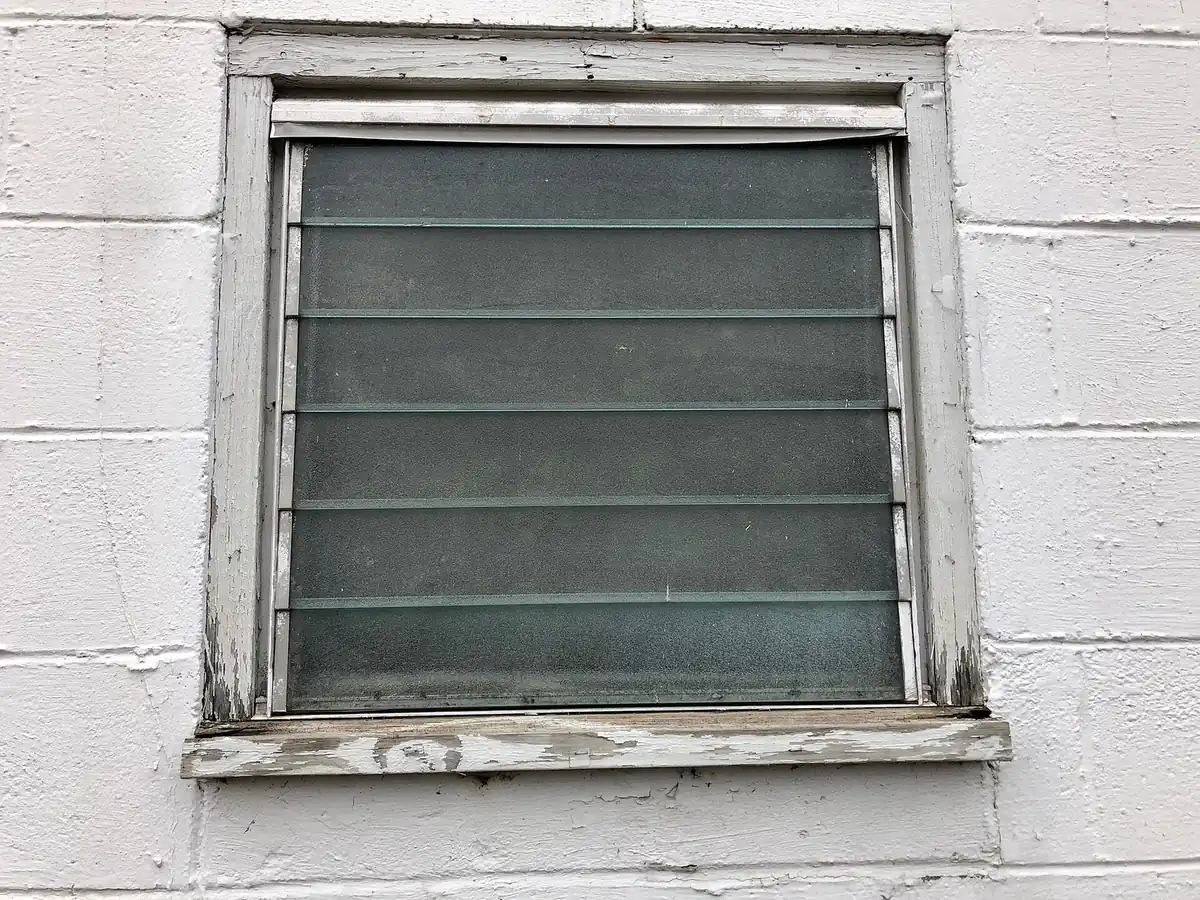
Jalousie Window Repair
Stuck cranks, loose clips and cracked louvers on the glass windows older Oahu houses still run on.
More on Jalousie Window Repair →Most of the work here happens a few floors up, inside one unit, under someone else's rules. We fix doors, fixtures, caulk and jalousies in Waikiki apartments and plan each visit around what the building allows.

One visit can cover several items. These six are the ones Honolulu homes ask about most; the full list sits further down the homepage.
Stuck cranks, loose clips and cracked louvers on the glass windows older Oahu houses still run on.
More on Jalousie Window Repair →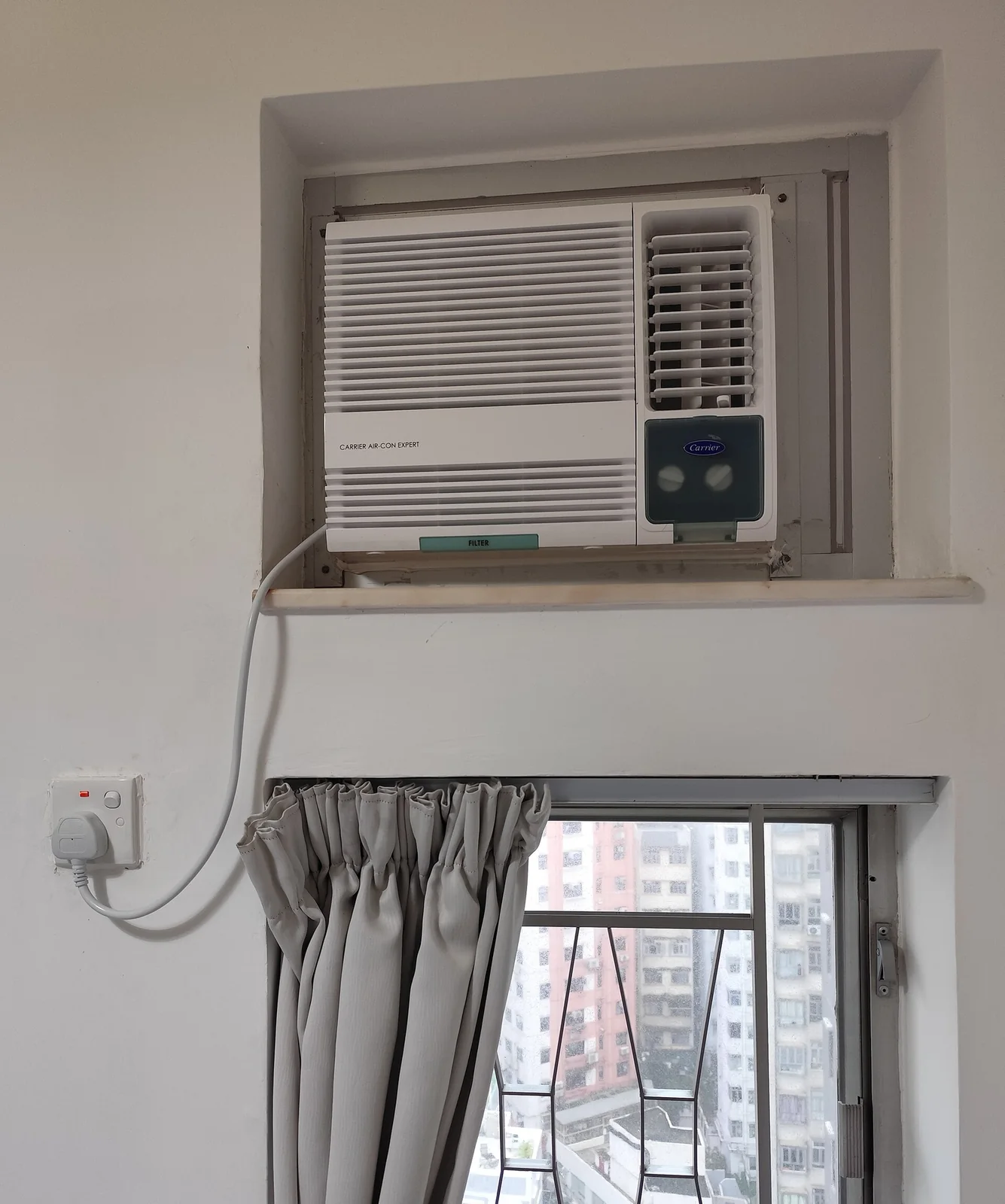
A window unit set on a proper bracket, sealed at the sides, and draining away from the wall.
More on Window AC Installation →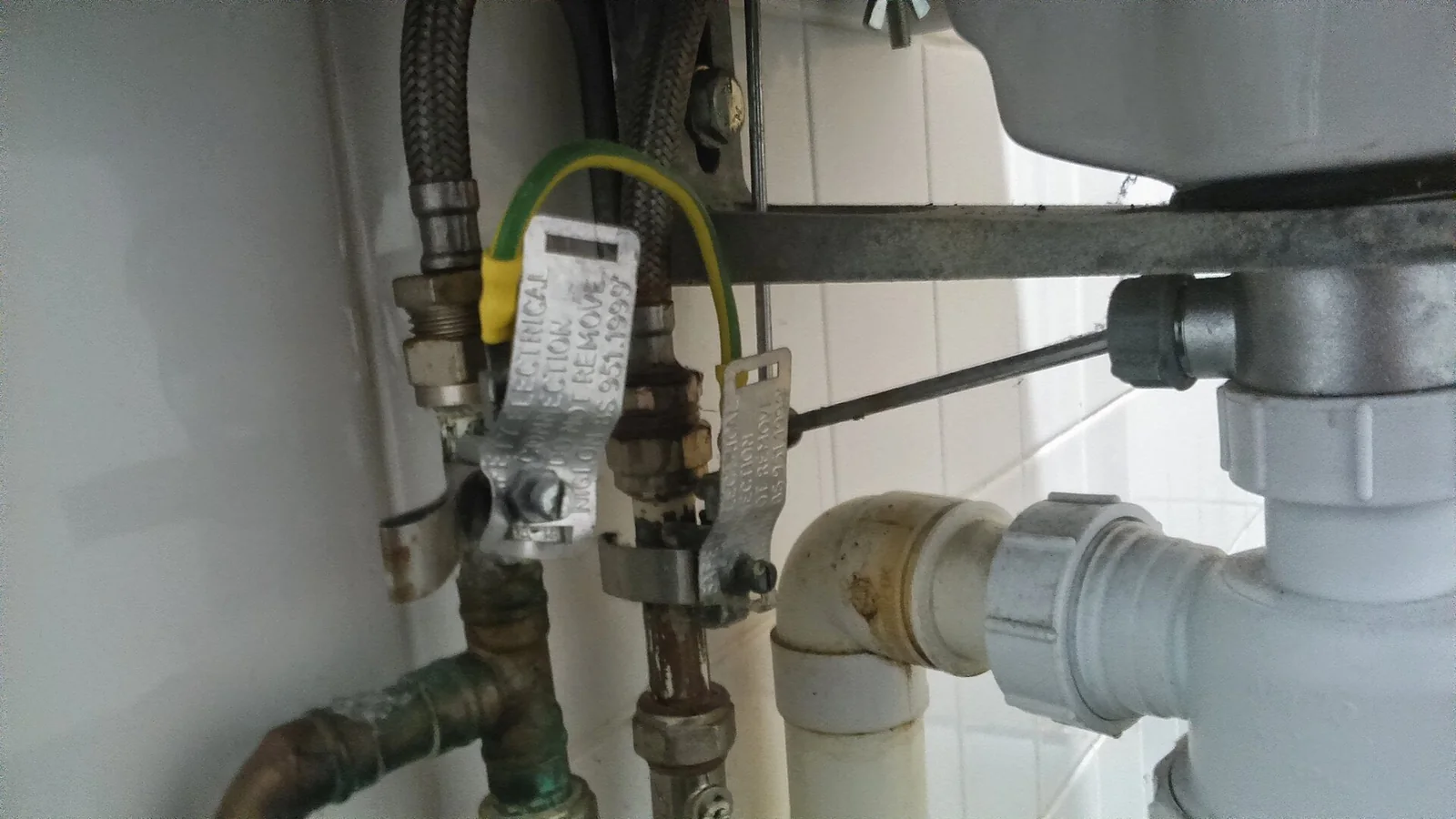
Jammed, humming or leaking disposals cleared, reset or swapped for a new unit under the sink.
More on Garbage Disposals →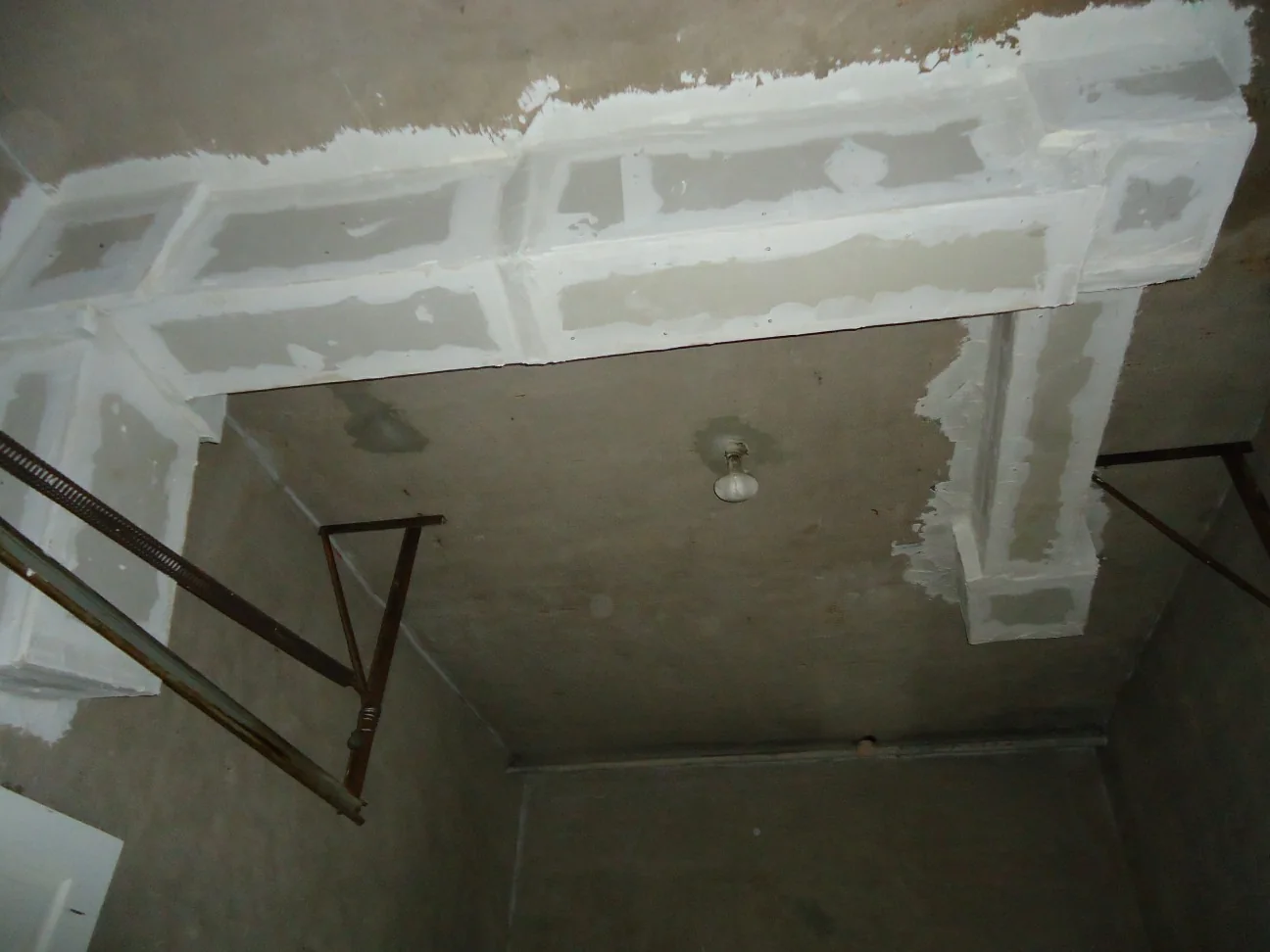
Holes, cracks, nail pops and water-stained patches cut out, taped, mudded and blended.
More on Drywall Repair →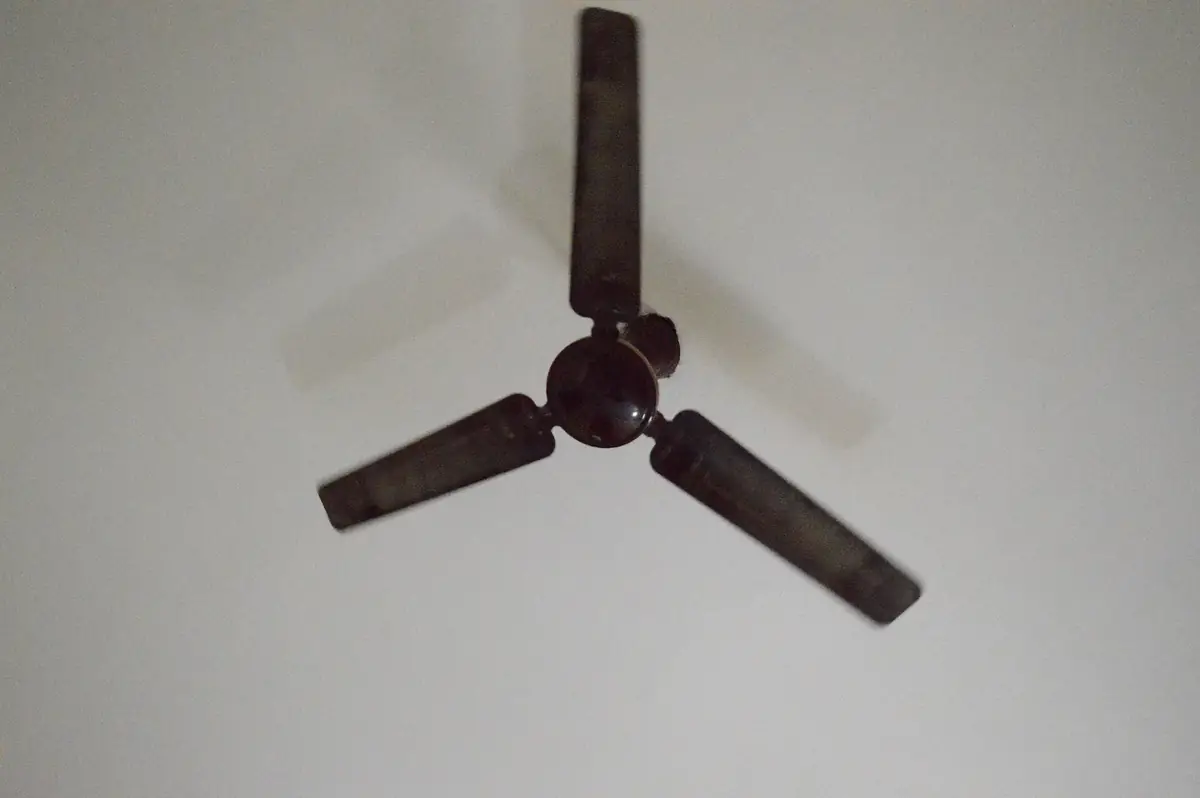
A fan hung on a box rated to carry it, balanced so it stops wobbling at full speed.
More on Ceiling Fan Installation →
A screen mounted into studs or the right concrete anchor, with the cables kept tidy.
More on TV Mounting →We take jobs throughout the district and in the three board areas that border it. The buildings change block to block; the paperwork mostly does not.
Towers beside older walk-ups. Historic Hawaii Foundation ties the jalousie boom here to walk-up apartments of the late 1940s and 1950s.
Part of the same urban core, where about half of all units are rented, so the caller is often a landlord or a manager.
On the Diamond Head side. When the job is in a house rather than a unit, the association step drops out.
Toward town. Wherever a wall turns out to be concrete, a shelf or TV goes up on a hammer drill and masonry anchors.
Condo owners hire a handyman because small jobs in a unit here come with rules attached. Across the urban core, 48 percent of homes sit in buildings of 20 or more units and about half are rented, so the person calling is often a landlord or manager rather than whoever lives there, and the building sets the work hours and contractor access. Hawaii's condo law treats a unit's lanai, exterior doors and windows as limited common elements, so work on them can involve the association. The leeward air is drier than the windward side's, yet the older walk-ups still carry jalousies from the late 1940s and 1950s.
Check the house rules and your declaration before a repair visit, because together they decide when we can work and what we can touch. Under HRS 514B-104(a)(6) the association controls how common elements are used and kept up, and rules on contractor access and work hours rest on that power. Under 514B-140, a material alteration needs 67 percent of owners plus the board; a nonmaterial change needs only the board, which shall not unreasonably withhold it. Send the rules with your list and we plan around them.
| Question | Tied to your unit | Shared by the building |
|---|---|---|
| Example | The duct branch serving only your dryer; your lanai, its door, your windows | A duct riser that serves two or more units |
| What the law calls it | Limited common element (514B-35) | Common element (514B-35) |
| Who decides on changes | The board, for nonmaterial changes (514B-140(c)) | The association (514B-104(a)(6)) |
| Our part | Repairs and small installs once the rules are checked | None; that work runs through the association |
| What can override this | Your building's declaration | Your building's declaration |
Manoa and Kaimuki sit just inland, Hawaii Kai is out east, and the windward towns are over the mountains. We cover them all, with any travel listed in the written quote.